Brew the same tea, with the same water, at the same temperature, on the same afternoon — then pour it into two different cups and taste them side by side. The difference can be startling. One cup tastes brighter and more aromatic; the other rounder and sweeter, with the same tea. This is not imagination, and it is not placebo. The vessel genuinely changes the flavor of tea, through three mechanisms: heat, material chemistry, and aroma.
Tea cultures around the world arrived at this knowledge long before science explained it. The Chinese tea tradition's reverence for thin porcelain, the Japanese tea ceremony's choice of thick-rimmed ceramic bowls, the Russian samovar's glass holder, the British teacup's delicate bone china — each was an empirical answer to the same question. What follows is what the tea masters knew, and what the science now confirms.
Heat: the temperature of the sip
The first and most obvious variable is temperature retention, and here the classic trade-off appears: thin walls lose heat faster but feel it sooner; thick walls retain heat longer but insulate your lips from it.
A thin porcelain cup cools the tea quickly to a drinkable temperature — a virtue for delicate green and white teas, which are best appreciated warm rather than hot, and whose aromatics are volatile enough to shine at lower temperatures. This is why the gongfu tradition prizes thin porcelain cups: the tea arrives at your lips almost exactly at the temperature of the liquor, with no ceramic lag, and the aromatics meet your nose at full strength.
A thick-walled Japanese tea bowl (chawan) does the opposite: it keeps matcha hot through the entire bowl, and the thick rim delivers the tea to your lips noticeably cooler than it actually is, protecting you from a too-hot sip. The bowl's weight and warmth in the hands are also part of the deliberate sensory design — the vessel is engineered for the specific drink it holds.
Coffee drinkers know this from the opposite side: heavy ceramic mugs keep coffee hot for an hour, which is exactly what slow morning drinking wants, and exactly what tea tasting does not.
Material: porcelain, glass, clay, and metal
Porcelain is the reference standard for tea precisely because it is close to flavor-neutral: glazed, non-porous, and chemically inert, it adds nothing and takes nothing away. High-fired porcelain also lacks the off-notes that lower-quality ceramics can contribute. When tea people say a cup is "clean," this is what they mean — the porcelain gets out of the tea's way.
Glass is equally neutral but behaves differently in the hand: it cools fastest, shows the liquor's color beautifully (a genuine aesthetic advantage — the pale gold of a white tea or the amber gradient of a black tea is part of the experience), and adds no flavor. Its weakness is fragility and poor heat retention, which is why glass is beloved for cold brew and delicate green teas but less ideal for slow gongfu sessions.
Unglazed clay — above all the famous Yixing (zisha) clay of China's Jiangsu province — works by the opposite principle: it is deliberately not neutral. A seasoned Yixing teapot, used for years with one category of tea, absorbs trace oils and aromatics from the brew, and generations of drinkers swear it subtly rounds and deepens subsequent sessions. Science is cautious about the magnitude of this effect, but the clay's porous structure genuinely retains aroma compounds, and the pots' excellent heat retention suits rolled oolongs perfectly. The tradition of dedicating one Yixing pot to one tea type exists for a reason: the pot remembers.
Metal is the traditional caution. Cheap metals and some stainless steels can contribute metallic off-notes, especially with acidic or delicate teas, and metal conducts heat away rapidly, cooling the liquor at the rim. This is why fine tea traditions avoid metal drinking vessels even where metal teapots (tinned copper, stainless) are acceptable for brewing — the brief contact of brewing is one thing, the sustained contact of drinking another. Modern high-grade ceramics and glass have simply made metal cups unnecessary.
Plastic and paper — the disposable cup problem — are the worst offenders: heat releases compounds that flatten aroma, the lid traps the volatile aromatics that constitute most of what we perceive as flavor, and the lip feel is all wrong. Tea drunk from a paper cup with a lid loses a startling portion of its character before it reaches your tongue.
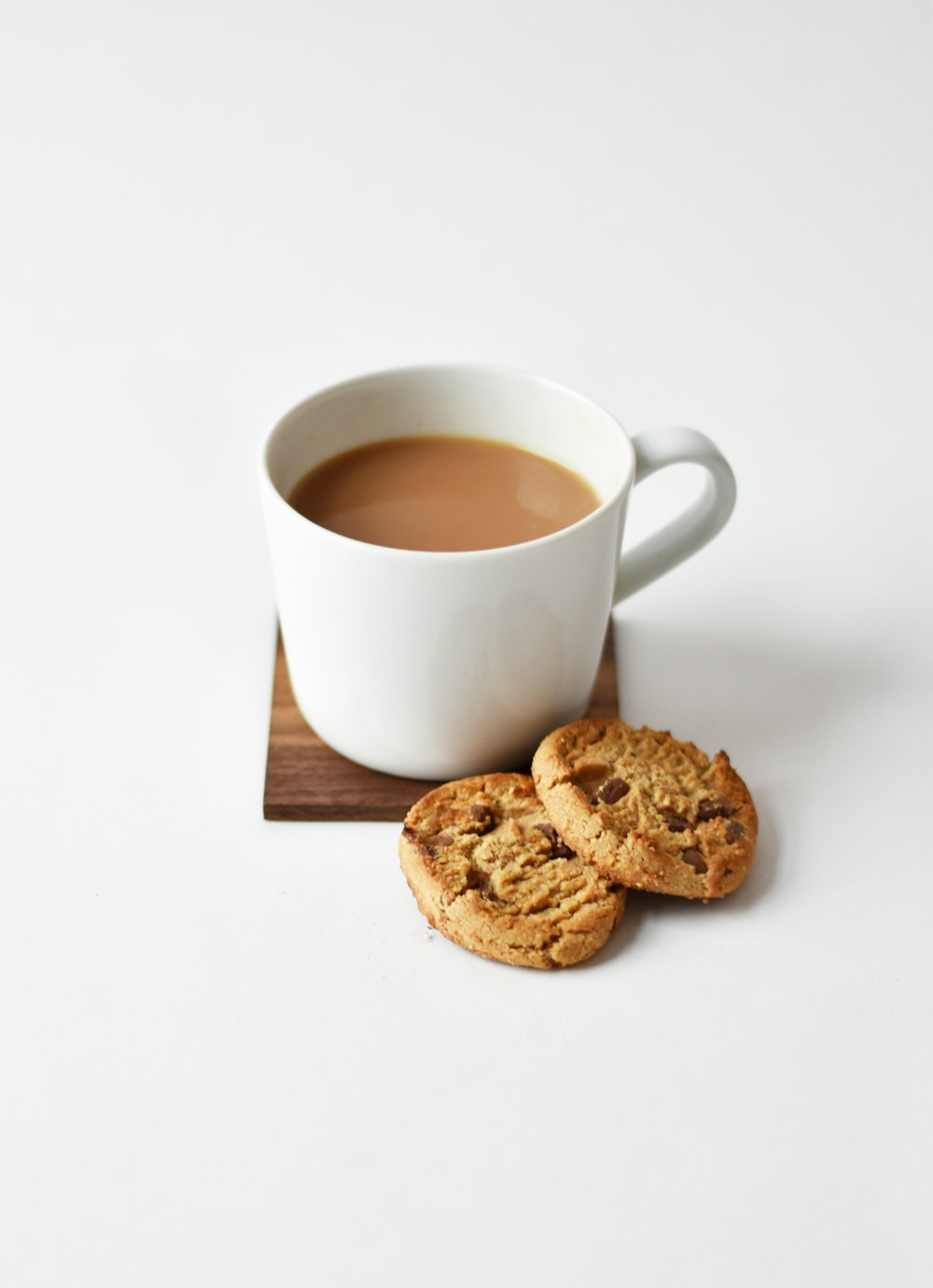
Shape and aroma: the hidden half of flavor
Here is the science that surprises people most: most of what we call "taste" is actually smell, and the cup's shape controls how aroma reaches your nose.
When you sip, aromatic vapors travel retronasally — from the cup and the liquid's surface up into the nasal cavity. A tall, narrow cup (like a scent-focused whiskey glass, or the tall aroma cups used in Taiwanese tea evaluation) concentrates volatile aromatics into a narrow column and delivers them directly to the nose. A wide, open bowl disperses them into the room.
This is why the same oolong can smell of orchids in a tall smelling cup and of almost nothing in a wide soup bowl. The tea traditions of the world encode this empirically: gongfu cups are small and gently flared to deliver aroma with each sip; Japanese matcha bowls are wide because matcha's aroma is less about volatile top notes and more about the direct taste of the suspension; British teacups flare slightly at the rim for exactly the retronasal reason.
The rim's thickness plays a role too — a thin rim delivers the liquid cleanly without the ceramic "buffer" of a thick rim, giving a more precise, direct impression of the tea's texture.
Putting it to the test at home
The beautiful thing about this science is that it costs almost nothing to verify. Take one tea you know well — a sencha, a Tieguanyin, a Keemun — and brew a single pot. Pour it into three vessels: a thin porcelain or bone china cup, a heavy ceramic mug, and a tall narrow glass. Taste them in sequence, paying attention to three things: the temperature at your lips, the aroma you perceive, and the perceived sweetness versus bitterness of the liquor.
Most people report the same pattern: the thin cup tastes most aromatic and most precise; the heavy mug tastes roundest and sweetest but bluntest; the tall glass smells the strongest. None of them is "correct" — they are three different presentations of the same tea, and the variety is itself a pleasure.
The tea master's point
Cup choice can feel like equipment obsession, and it can become that. But the underlying insight is worth keeping even for the most minimalist brewer: tea is a total sensory event, and everything that touches it is part of the flavor. The cup is not a neutral container. It is the last step of the brewing.
You do not need a cabinet of Yixing pots and porcelain sets to honor that insight. One good thin cup — chosen deliberately, warmed before each use, reserved for tea — will change your daily cup more than almost any other single upgrade. The tea masters of five centuries knew it. Your next pot will prove it.